5 Simple Ways to Be a Better Neighbor to Refugees This Year
Summary: Practical, low-pressure tips for welcoming refugee families into your community, from being a local guide to sharing a simple welcome note.
February 13, 2026
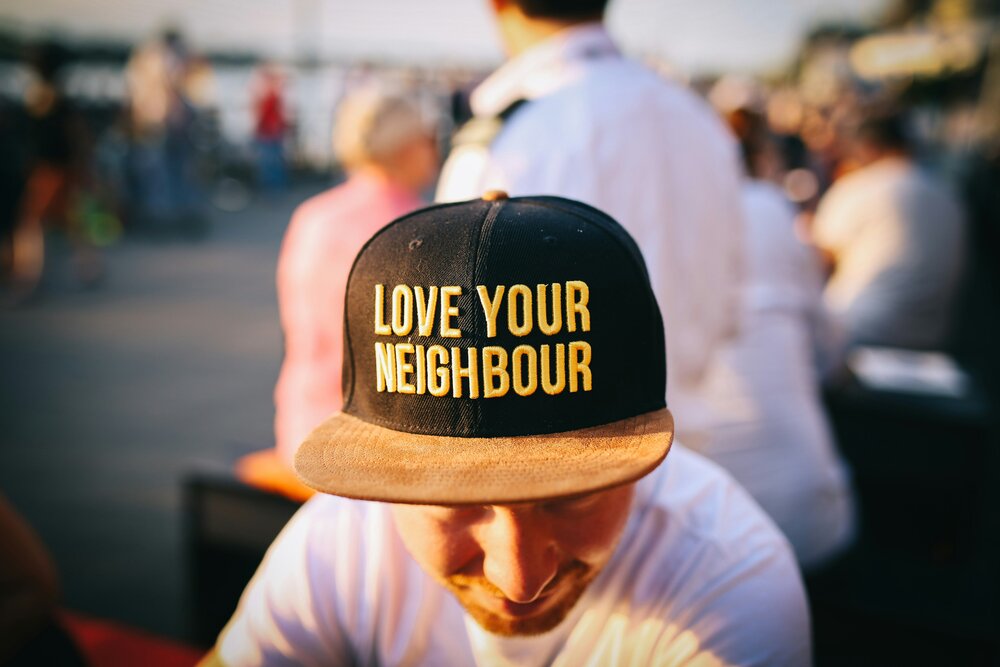
Walking into a new community can feel like stepping onto another planet. For refugee families, the first few months are a whirlwind of unfamiliar sounds, new social systems, and the weight of starting your life over. Many of us want to help, but we often hesitate because we aren't sure of the "right" way to act or what is actually needed. If you've ever felt intimidated by the idea of helping, you're not alone. Luckily, befriending a new refugee family can start with the simplest of gestures.
To become a true ally, it helps to better understand the journey. You'll often hear the terms refugee and asylee used interchangeably, but it's crucial to understand there is a key legal difference. A refugee is someone who has been granted legal status before entering the United States, usually after years of vetting by international agencies. An asylee is someone who meets that same definition but is already present in the U.S. or is at a port of entry seeking protection. While their legal paths differ, their human needs share several parallels: safety, dignity, and a community of support.
So, here are five practical, low-pressure ways to make a world of difference for incoming refugee families you may encounter in the future:
1. Be a Local Guide
Something as simple as a trip to the local grocery store can be overwhelming. Helping navigate new foods in a new language could help reduce anxiety for new refugees.
2. Share a "Welcome Note"
You don't need a shared language to share a smile. A simple "Welcome to the neighborhood" card serves as a universal sign of safety.
3. Refer Local Experts
Sometimes the best help you can give is a connection. If they need a mechanic, a pediatrician, or a place to find familiar spices, being the one to say "I know a great place" is invaluable.
4. Offer Your Time
Volunteering to help with everyday tasks like setting up a home, navigating public transit, or understanding mail and bills can ease the transition enormously.
5. Simply Show Up
You don't need to have all the answers. Just being present, being consistent, and showing genuine interest in someone's story can be the most powerful thing you do.
The beauty of these interactions is that when we open our lives to new neighbors, we aren't just giving — we are also receiving. These friendships lead to a rich cultural exchange that transforms our own perspectives. Whether it's learning a new recipe, hearing a story of incredible resilience, or seeing our own city through fresh eyes, our communities become more vibrant and compassionate when we choose to build bridges instead of barriers.
At Bridge Humanitarian, we see these transformations every day. While politics and policies may shift, our commitment to supporting these families is 100% unwavering. In 2026, we invite you to move from being a bystander to being a bridge builder. Your small acts of kindness are the foundation upon which a new life is built.
You can also support this journey by pledging to a monthly donation. By committing to a recurring gift, you help us bypass the financial hurdles that often delay housing projects intended to house these wonderful refugee families. This steady support allows us to secure land and homes more quickly, getting incoming families into their new homes so they can begin their American journey with stability and dignity. Join us in building these bridges today — because no family should have to wait for a place to belong.